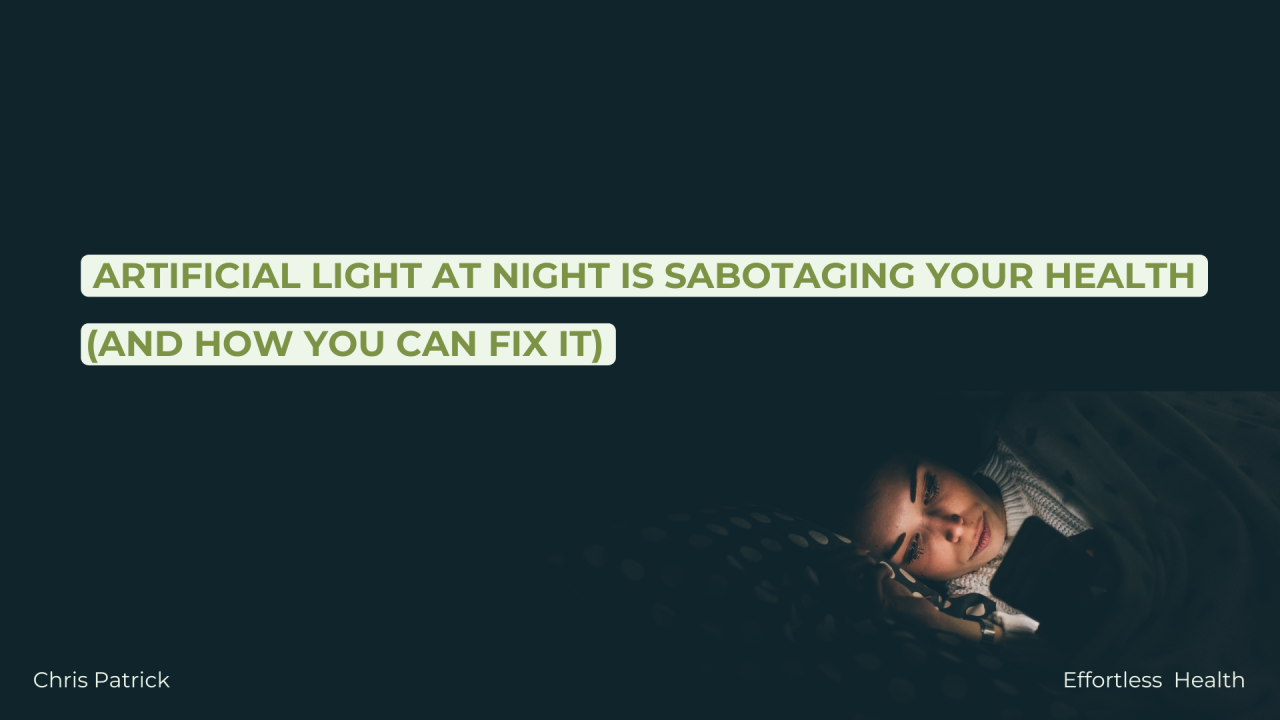
For most of human history, when the sun went down, our bodies knew it was time to rest.
Today? We flood our environment with artificial light.
Think bright LED lights, screens, street lights, and car headlights late into the night.
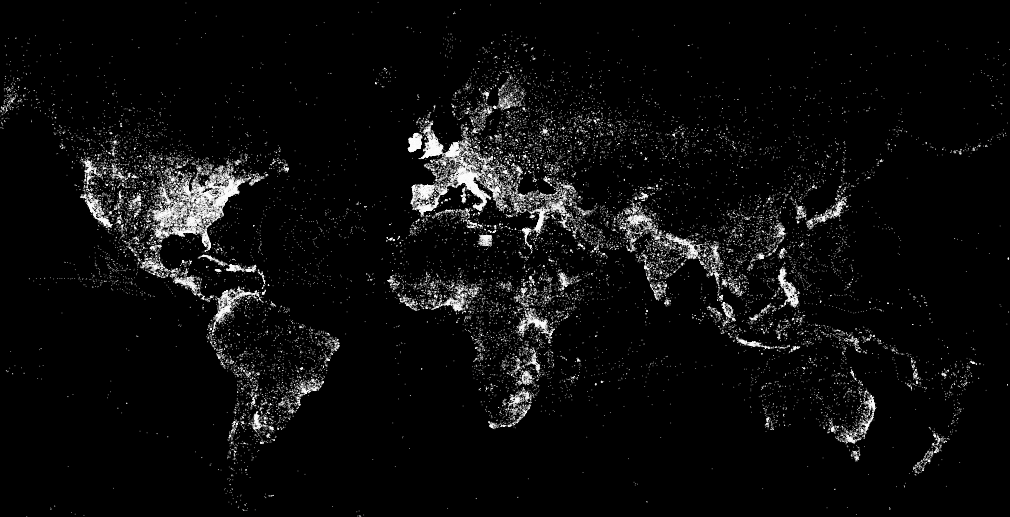
Satellite detectable light increased globally by nearly 50%, from 1992 to 2017.
Its even worse indoors with phones, TVs and down lights.
The result?
- Chronic fatigue
- Poor sleep quality
- Late-night cravings
- Sluggish metabolism
- A potential higher risk of metabolic syndrome, type 2 diabetes, depression, obesity, cancer and Alzheimer's.
Why is artificial light at night detrimental to human health?
Your body runs on light signals.
Natural sunlight during the day tells your body to produce hormones, be alert and burn energy.
Darkness signals rest and recovery.
Artificial light tricks your brain into thinking it's still daytime.
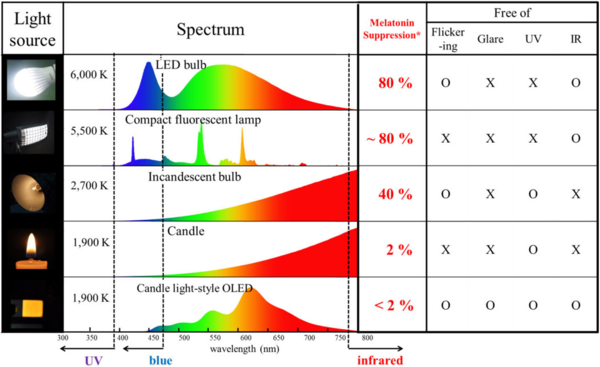
It does this because it contains a high proportion of isolated blue light wavelengths.
This throws off your body's natural rhythm, leading to:
Melatonin suppression
Blue light (and green light to a lesser extent) blocks the production of melatonin, our 'sleep hormone'.
Melatonin is so much more than a sleep hormone.
It is one of the body's most powerful antioxidants, offering anti-inflammatory and anti-cancer properties, supporting immune function, regulating cholesterol, and playing a vital role in the thyroid, pancreas, ovaries, testes, and adrenal glands.
Increased cortisol at night
High cortisol (stress hormone) at night leads to poor blood sugar control, fat gain, and cravings.
Insulin resistance
Artificial light exposure at night reduces insulin sensitivity, increasing fasting blood sugar and making it harder to lose fat.
Disrupted circadian rhythm
Your metabolic processes become out of sync, leading to low energy, brain fog, and sluggish metabolism.
I must mention that blue light exposure from the sun during daylight hours is good for you.
The difference between blue light and firelight
Before artificial lighting, our ancestors only had firelight and candlelight, and more recently, light from incandescent bulbs after sunset.
These warm, red/orange light sources allowed melatonin to rise more naturally, signalling rest and repair.
Limited blue light leads to increased melatonin production, which leads to deep sleep, metabolic repair and a lower risk of chronic disease.
Unlike modern LEDs, these light sources also emitted infrared light, which supports cellular repair, circulation, and counters some of blue light's harmful effects.
Modern artificial lighting? LEDs and screens produce high blue light exposure, leading to melatonin suppression, poor sleep, disrupted metabolism, and an increased risk of chronic disease.
Reduced melatonin production means delayed sleep onset, less REM sleep, impaired immune function, disrupted hormone regulation, and taking longer to wake up properly.
How to fix your light exposure after sunset
The good news? You can control your light environment easily after sunset.
I'm not going to tell you sit in darkness or don't watch TV ever again.
Do this instead:
1. Dim the Lights
Bright overhead LEDs confuse your body clock, while warm, low-intensity lights support melatonin.
Use warm, red/amber, low-intensity bulbs, which are rated 3000k (Kelvin) or lower, instead of bright LEDs.
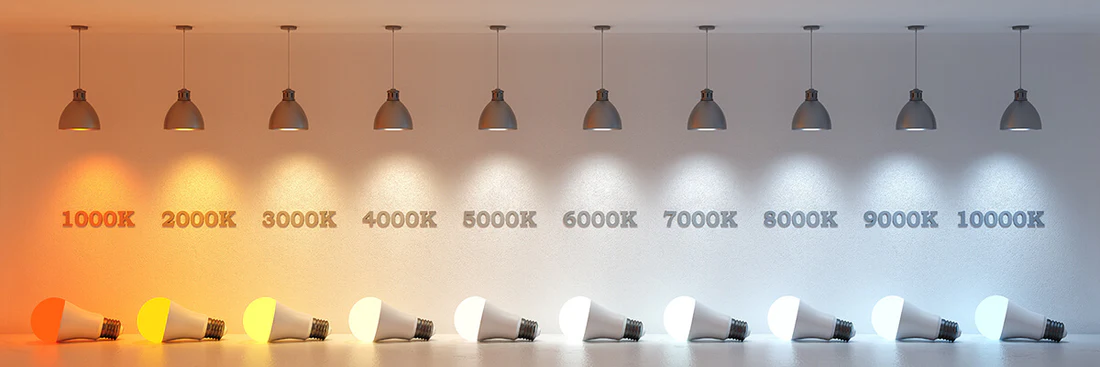
Incandescent bulbs are useful and they will bring infrared back into the picture, if you can source them.
Candles are another option but more hassle and less safe.
2. Position lighting closer to the floor
Overhead lighting mimics the sun and signals wakefulness.
Instead, position lamps lower, on tables or the floor to mimic firelight and signal relaxation.
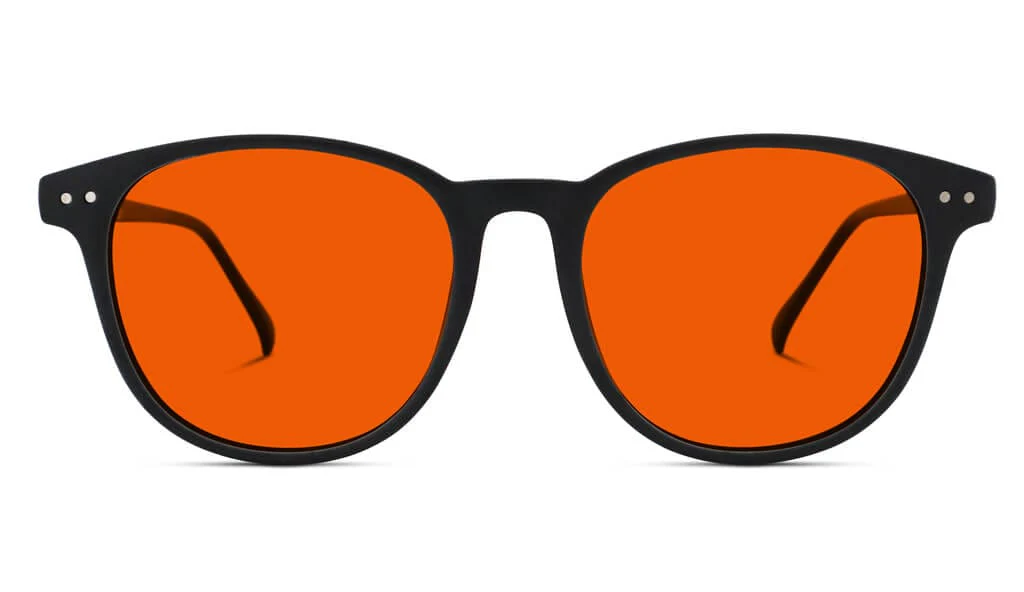
3. Wear blue light blocking glasses
If you use screens at night, blue light-blocking glasses are simply non-negotiable.
They block blue light reaching your brain which prevents melatonin suppression and helps to protect your sleep and recovery.
Look for lenses that block 100% of blue and green light for maximum effect. Beware of cheap 'blue light blocking' glasses with clear lenses, these don't block blue light.
4. Use a red filter on your screen
Use apps like f.lux, One Tap Zap, or red filters on your phone/tablet/computer to minimise blue light exposure.
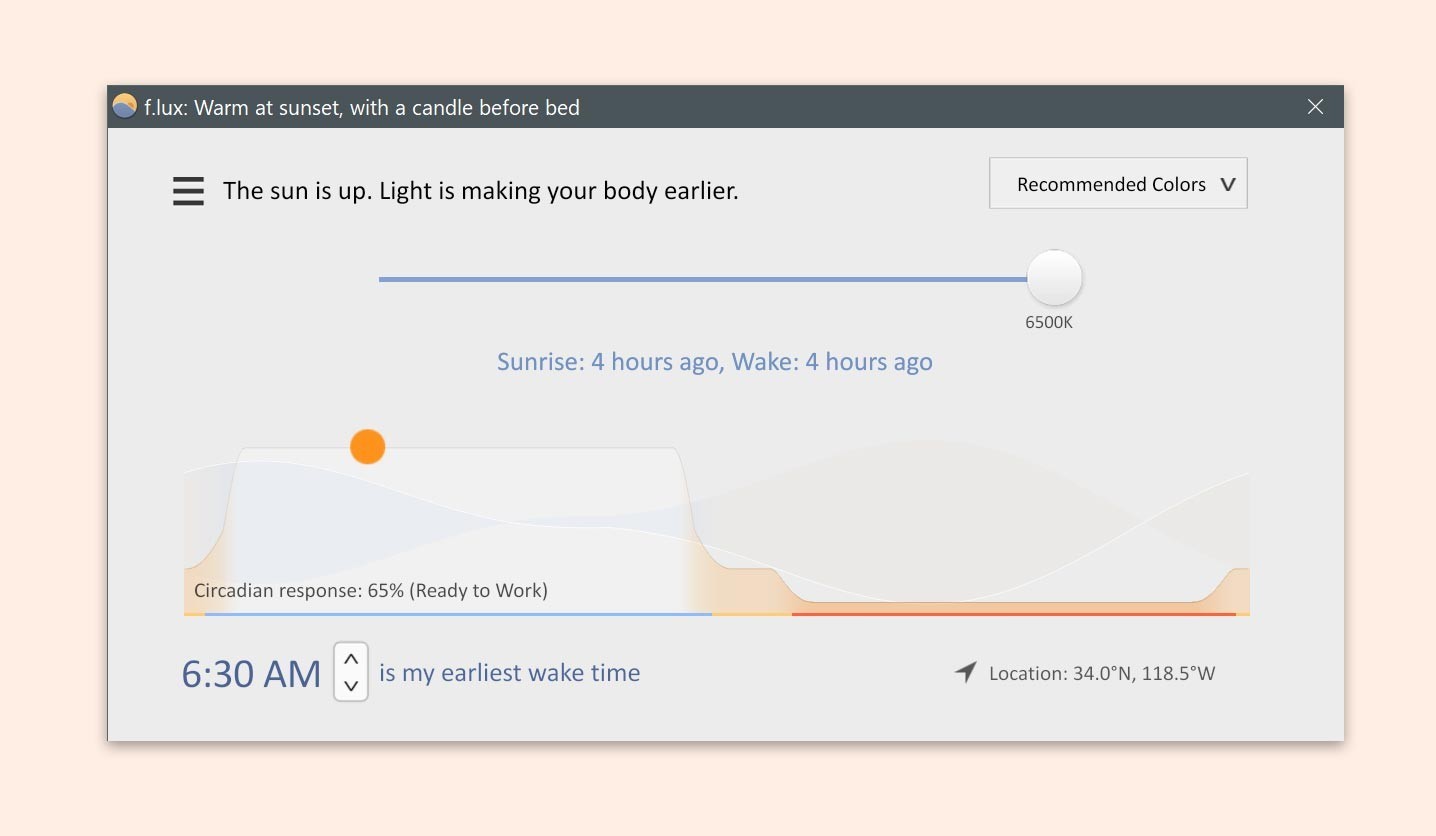
Also reduce the brightness after sunset.
5. Limit screen use
I know I know, not always possible. Just make sure you are wearing blue light blocking glasses and have your light filter on.
For what it's worth, TV is much less detrimental than late-night phone use, which keeps your brain wired when it should be winding down.
Reading is also a great swap before bed.
The easiest way to improve sleep, metabolism, and long-term health? Start by controlling your evening light exposure, and your body will naturally work better.
Is artificial light wrecking your sleep and your metabolism?
The quiz includes a circadian module that identifies whether light exposure is your primary issue. 2 minutes to find out.
Take the quiz →Ready to talk now? Book a call instead.