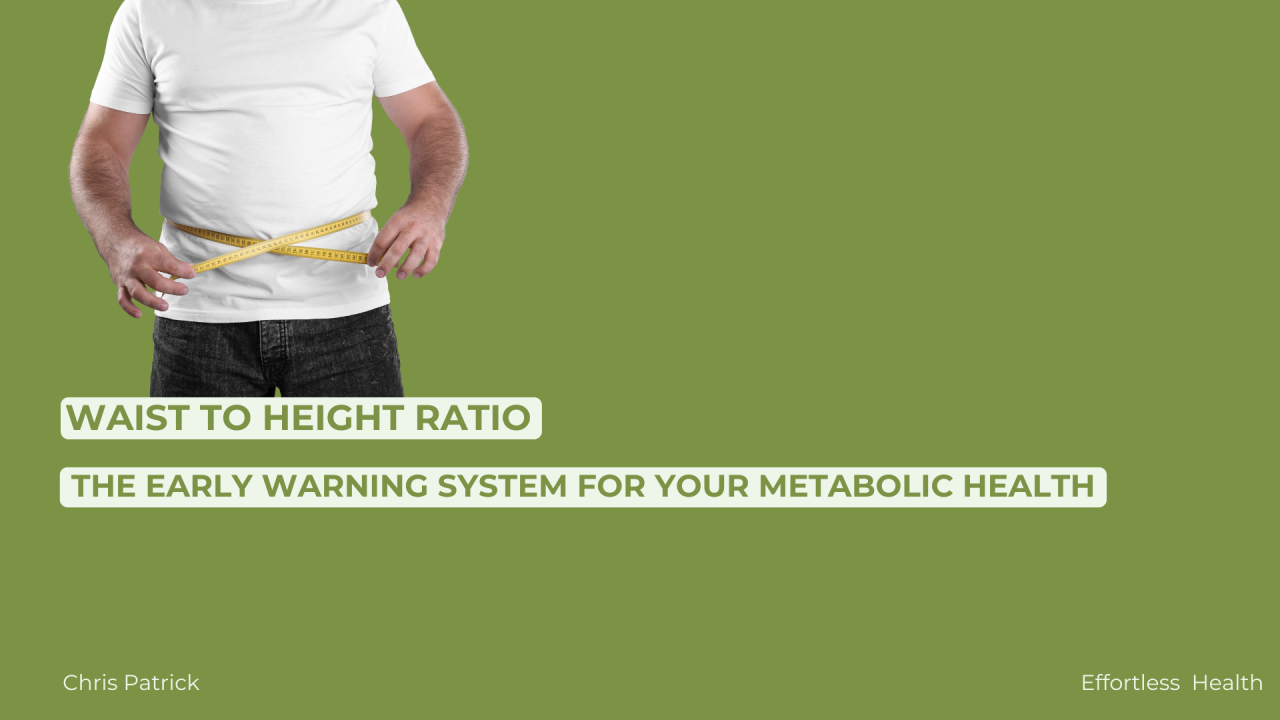
When it comes to tracking metabolic health, most people focus on weight, BMI, or individual blood markers.
But none of these tell the full story.
That's why my go to metabolic health marker is the waist to height ratio.
Why waist to height ratio is an important marker to measure and track
Visceral fat in excess is the most dangerous type of body fat. It wraps around your internal organs and behaves very differently from fat under the skin.
It's not just storage it's metabolically active, pumping out inflammatory chemicals, that drive insulin resistance, raise blood pressure, and increase the risk of:
- Type 2 diabetes
- Heart disease
- Fatty liver
- Dementia
The more visceral fat you have, the higher your waist to height ratio, which is why this simple measurement is such a powerful predictor of metabolic health.
Tracking waist to height ratio regularly lets you see visceral fat changes long before blood markers spike, making it a true early warning system.
How it stacks up against other markers
Weight? Tells you how heavy you are, but not where that weight sits. Two people could weigh the same, but if one carries their fat around the waist, they're at far higher risk of metabolic disease.
BMI? It's the blunt instrument many still rely on, but it doesn't tell muscle from fat. A lean, muscular person can have the same BMI as someone with high visceral fat, but their metabolic risk couldn't be more different.
HbA1c? Tells you your average blood sugar over the last 3 months. By the time that's elevated, metabolic dysfunction is already well advanced.
Waist to height ratio cuts through the noise, directly reflecting visceral fat catching the warning signs much earlier, before your blood sugar becomes elevated.
You can't cheat it
I've found that triglycerides and cholesterol can swing after a fast or a short-term diet tweak.
Same for fasting glucose, cut carbs for a week and you might see a temporary improvement.
But waist to height ratio?
You can't game it.
It reflects what's actually been happening inside your body over time, the accumulation (or loss) of visceral fat due to years of lifestyle choices.
That doesn't change overnight.
It tracks with blood markers
Waist to height ratio tracks closely with insulin resistance, triglycerides, and inflammation markers.
These same markers are raised in type 2 diabetes, heart disease and fatty liver.
Research shows it's a better predictor of metabolic syndrome than either BMI or weight alone.
There are some people who have a normal waist to height ratio but still have metabolic dysfunction, that's why I still advise to get yearly bloods done.
How to measure it (Takes 30 seconds)
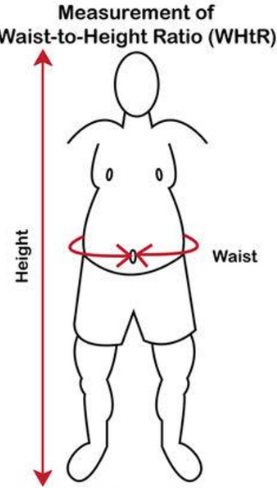
- Grab a tape measure.
- Measure your waist whilst relaxed at the belly button (not the narrowest part).
- Divide that number by your height.
- Target: Below 0.5 is a start but reducing it to the low 0.4's should be the goal.
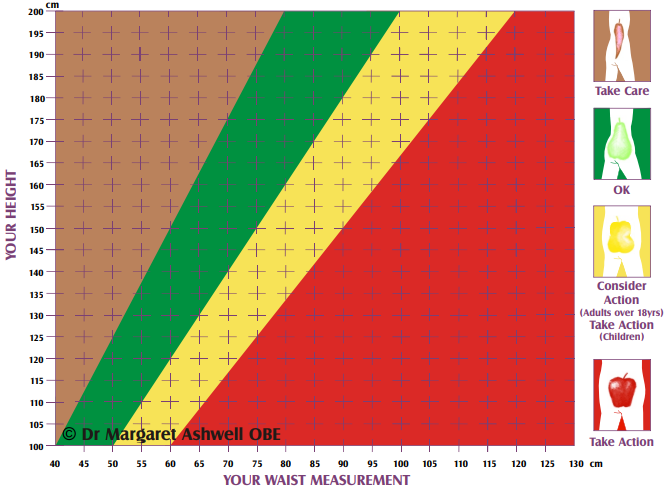
A measured approach to improving your waist to height ratio
If your waist to height ratio is above 0.5, don't panic, this is fixable, and you don't need extreme diets or gruelling workouts to get there.
Here's what I recommend focusing on:
- Focus on real food: Build meals around protein, healthy fats, and seasonal carbs, cut out ultra-processed junk and seed oils.
- Prioritise protein: Eat 2g of protein per kg of your desired bodyweight.
- Eat in a window: Front load your meals earlier in the day, within a 10-12 hour eating window.
- Walk every day: Low-intensity movement for at least 30 minutes.
- Resistance training: 2 x 30 minute full body session per week.
- Sunlight and sleep: Get morning sunlight within 30 minutes of waking to anchor your circadian rhythm, and dim artificial light after sunset to support proper melatonin release.
If you want a cheap, reliable, early warning sign for metabolic health, forget weight alone, BMI, or waiting until your blood sugar creeps up.
Track your waist to height ratio.
It's one of the easiest, most accurate metabolic markers you can get.
Your waist-to-height ratio tells you the risk. The quiz tells you what to do about it.
8 questions, 2 minutes, score out of 32 — including a full metabolic health module.
Take the quiz →Ready to talk now? Book a call instead.