
The simplest most effective thing you can do for your metabolic health?
Walk. A lot. Every day.
Walking is the foundational baseline human activity and arguably the most underrated intervention for metabolic health.
It sounds almost too simple but it works.
Our ancestors walked to live, hunt, gather and move from place to place. Estimates suggest up to 18,000 steps per day was common.
And when they weren't walking? They weren't in chairs, they were resting in dynamic positions: squatting, kneeling, and sitting on the ground.
They moved naturally, frequently and effortlessly.
We now sit in one position for 10 hours indoors walking on average less than 5,000 steps per day, drive everywhere, and try to undo it all with a 45-minute workout.
What walking actually does for you
Getting your steps in also means activating your biology.
You don't even need to walk 15,000 steps a day. In fact, some studies have shown that the life expectancy increases flatline around 8,000+ steps a day. So that's a good place to aim for.
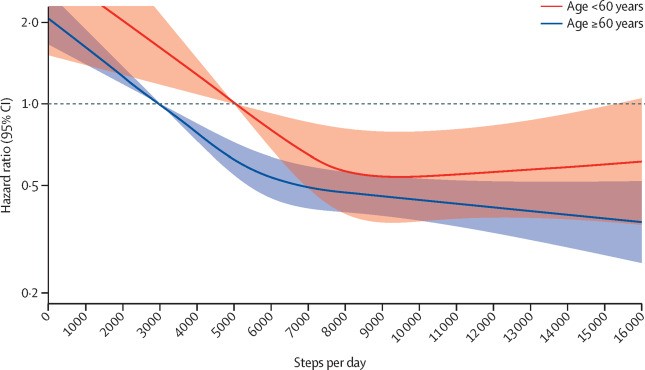
Here's what walking actually does for you:
- Improves insulin sensitivity: 15 minutes after a meal can flatten the glucose curve and reduce the burden on your pancreas. This is one of the most powerful habits I teach my clients, especially those with Pre or Type 2 Diabetes.
- Boosts mitochondrial biogenesis: Walking stimulates the production of new mitochondria which means more energy, better fat-burning, and less oxidative stress.
- Trains your body to burn fat at rest: Low intensity, long-duration movement shifts your metabolism from sugar dependence to fat burning. This is what metabolic flexibility actually looks like.
- Supports detox and immunity: Your lymphatic system clears waste and supports immunity but it has no pump like the heart. Movement is the pump and walking keeps lymph fluid moving, helping detoxify the body and lower inflammation.
The best part is I'm only touching the surface here.
Walking outdoors and walking indoors aren't the same
When you walk outdoors, you're stacking all natures beneficial inputs:
- Movement (Metabolic stimulus)
- Grounding (Nervous system regulation)
- Nature (Reduced stress + enhanced mood)
- Light exposure (Vitamin D, reduced blood sugar + circadian sync)
- Temperature variation (Cold exposure)
Natural light hits your eye and skin, strengthening your circadian rhythm, boosting mitochondrial function, regulating appetite hormones, and improving mood.
Walking indoors on a treadmill still moves your muscles but it misses the vital circadian and environmental benefits that come from nature.
For true metabolic and hormonal health, getting outside is essential.
How to build 8,000 steps into your day (effortlessly)
I've found 1,000 steps takes about 8 minutes.
That means 8,000 steps = 64 minutes = 7% of your waking hours.
Here's one simple blueprint I share with clients:
- 1,000 steps (8 mins): Morning commute / walk after breakfast.
- 2,000 steps (16 mins): 3-minute movement breaks every hour.
- 2,000 steps (16 mins): Lunchtime walk.
- 1,000 steps (8 mins): Post-work walk or commute.
- 2,000 steps (16 mins): Evening wind-down walk.
That's 8,000 steps without even thinking about it and very easy to incorporate today.
To improve strength, utilise more energy and effortlessly make it harder, throw on a weighted vest.
Walking isn't optional
Walking helps us regulate blood sugar, manage energy, burn fat, reduce inflammation, and support deep sleep.
You don't need to track it perfectly, just move frequently and consistently everyday.
- Walk after meals.
- Take calls outside.
- Park further away.
- Walk barefoot on the grass.
- Get your sunlight while you move.
Walking is a biological necessity as vital as sunlight, sleep, and real food.
Make it part of your life not something you have to think about.
Is movement the missing piece in your energy equation?
The quiz scores your recovery and movement habits as part of the full energy picture. 2 minutes to see where you stand.
Take the quiz →Ready to talk now? Book a call instead.